
ISO 9001 Quality Standards
plastic materials guide
Plastic Materials: Structure, Properties and Test Data
Plastic material properties are useful only if you know what was tested, how the specimen was made, and which packaging decision the result can support. This guide links polymer structure, test conditions, converted-product behavior, and unit-load risk so engineering and procurement professionals can read a data sheet without treating it as a product guarantee.
Send a Test Report for Review
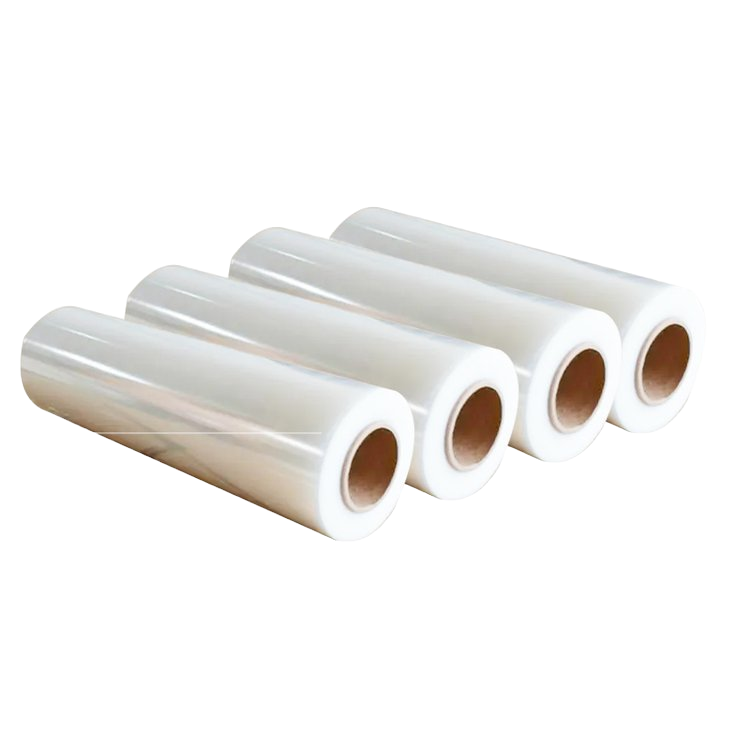
Material Data Becomes Useful in Context
Screen the family
PET, PP, PE, PVC, ABS, PS, nylon, and polycarbonate are broad families. Grade, additives, feedstock, crystallinity, orientation, and processing history can change the result inside one family.
Match the test
Plastic tensile strength, modulus, break force, puncture resistance, and retained tension answer different questions. A named standard is the start of a comparison, not proof that the test pieces and conditions matched.
Validate the packaging system
A resin data sheet does not substitute for film or strap testing. A component result is not a substitute for joint evidence or a representative unit-load trial.
Fast rule for plastic material selection
Compare a number only after you can identify the material, specimen, direction, condition, method, endpoint, and statistical basis. Then ask whether that number addresses the failure you need to prevent.
How We Work: UD Packaging and the Commercial Hand-Off
Manufacturing Scope
We are an integrated industry-and-trade enterprise focused on plastic packaging materials. At the UD Packaging factory in Jiangyin, Wuxi, Jiangsu, our factory team connects in-house PET granulation with automated PET strapping production and finished PET strapping.
Product System
We treat PET strapping as our flagship product and also make industrial stretch film. We supply strapping seals plus manual, semi-automatic, and fully automatic strapping machines, which lets our team discuss the material, joint, tool, and load as connected parts of one packaging system.
Application Support
We support packaging discussions for metal manufacturing and solar photovoltaics, as well as building materials, wood, papermaking, chemical fiber, cotton textile, agriculture, food, electronics, and tobacco applications. Our sales and technical team can develop a custom packaging proposal around your load and handling conditions.
Sample and Planning Baseline
We can provide free product samples for a defined evaluation. We plan standard orders on a 15-20 business-day production window after the commercial and technical requirements are confirmed in writing.
Plastic Material Properties by Family
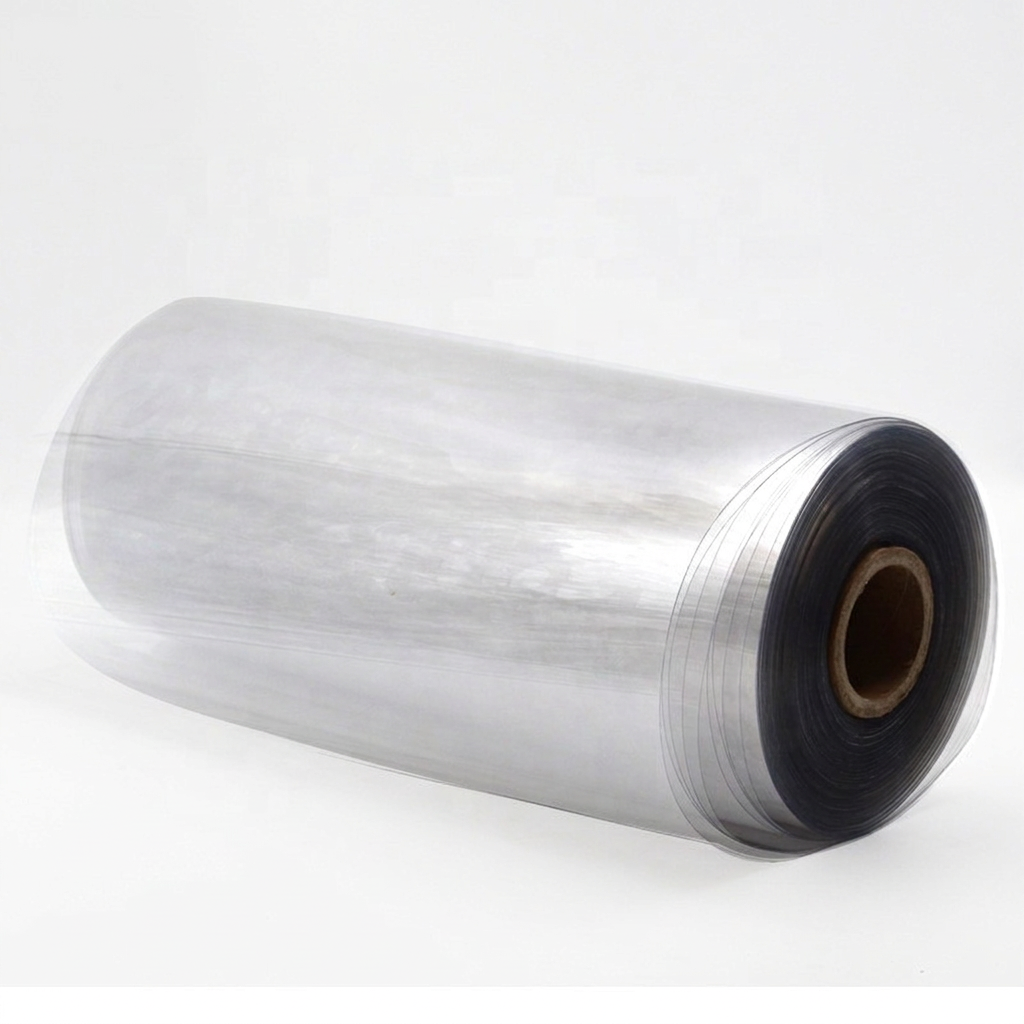
PET / Polyester

PP / Polypropylene
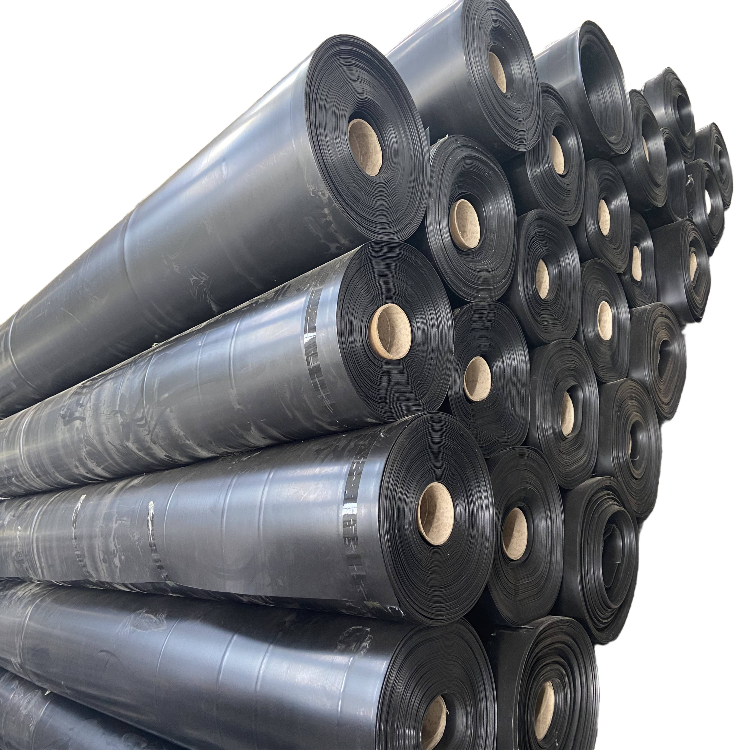
PE / HDPE and LDPE
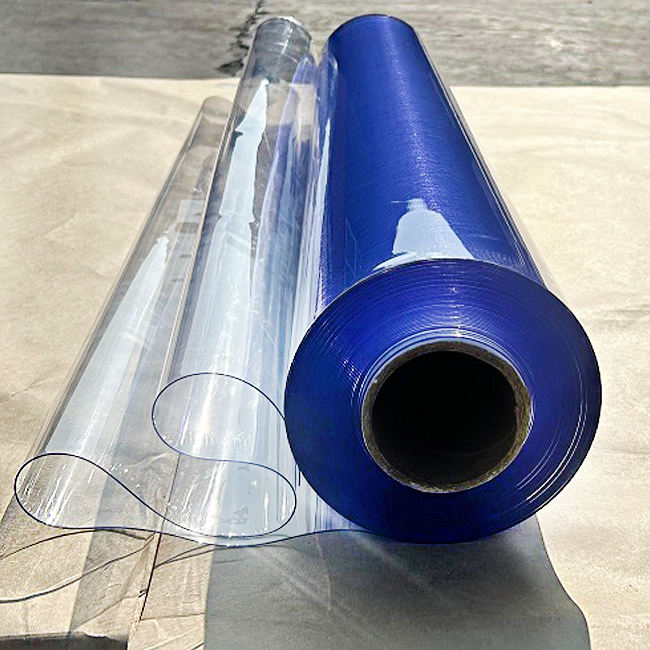
PVC / Polyvinyl Chloride
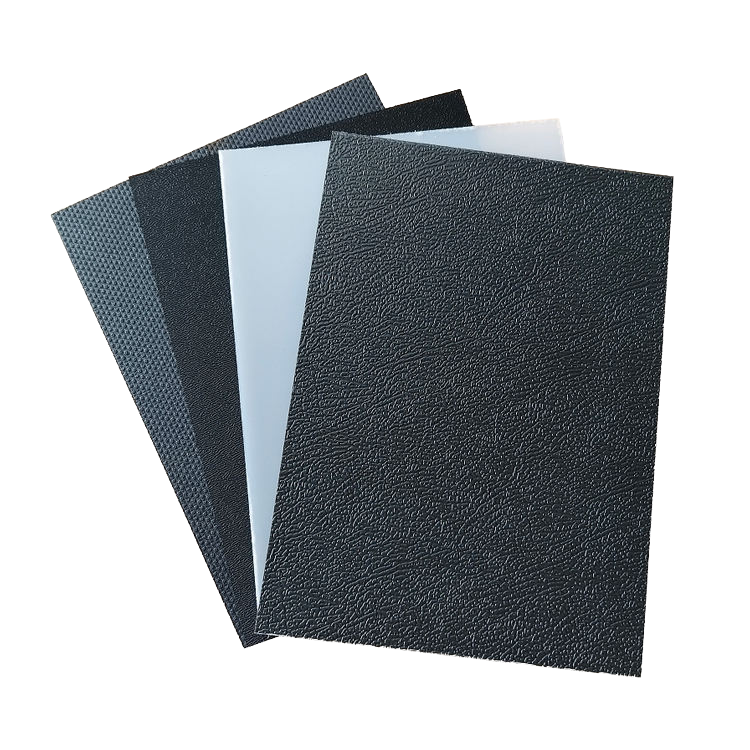
PS and ABS
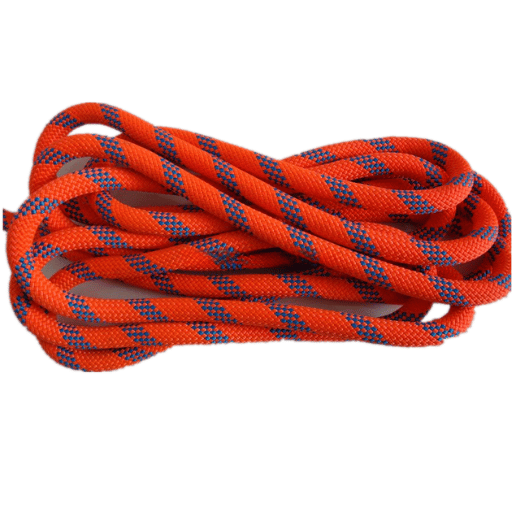
PA / Nylon

PC / Polycarbonate
Property Families and the Failure They Can Explain
| Property family | What the output tells you | What it cannot prove alone | Packaging decision |
|---|---|---|---|
| Mechanical properties | Tensile strength of plastics, modulus, elongation, yield, impact, tear, puncture, or hardness under the recorded setup. | Joint strength, retained tension, or full-load stability. | Screen stretch, shock, edge, handling, and deformation risks. |
| Physical properties | Density, thickness, dimensions, shrinkage, water absorption, or friction. | Long-duration response or distribution survival. | Check yield per mass, fit, feed reliability, moisture, and contact behavior. |
| Thermal properties | Transitions, softening, deflection, expansion, or response at a stated temperature. | Safe service temperature for an unspecified geometry and load. | Define storage, process, transit, and equipment-temperature limits. |
| Chemical and environmental | Mass, appearance, dimensions, or properties after a controlled exposure. | Compatibility under simultaneous stress, chemicals, temperature, internal stress, and thermal history. | Plan the chemical resistance of plastics and environmental stress-cracking work around the real exposure.3 |
| Barrier properties | Water-vapor or gas transmission for a stated specimen. | Barrier performance at another temperature, humidity, thickness, pressure, or finished-package seal condition. | Match transmission conditions and seal integrity to shelf and transit needs. |
| Optical and electrical | Haze, transmission, gloss, dielectric, or resistivity behavior. | Mechanical protection or electrostatic performance in an assembled package. | Specify visibility, inspection, insulation, or ESD needs separately. |
Family names are not grades
Each type of plastic begins with a plastic polymer and polymer chain architecture, but a common plastic or synthetic plastic name still covers many formulations. Polyethylene terephthalate, polypropylene, high-density polyethylene, low-density polyethylene, polystyrene, PVC, nylon, polycarbonate, and acrylic illustrate why different types of plastic, every plastic type, and its properties of plastic need grade-level review.
Use and end-of-life claims need another track
Recyclable, biodegradable, and recycling statements do not establish mechanical or barrier performance. Food packaging, a plastic bag, food containers, automotive parts, and liquid-contact product design can also trigger use-specific review, including BPA or bisphenol questions that sit outside a tensile-data comparison.
Process and failure language matters
Thermoplastics and thermosets require different processing logic, while injection molding, extrusion, and orientation can leave different structures. Laboratory equipment and method settings must match the intended tensile modulus, corrosion, abrasion, loading, and deform-at-load question before a manufacturer comparison is accepted.
Eight Checks Before Comparing Plastic Test Data
Finding a gap between material specs does not prove that one plastic is better. ASTM D638’s scope notes that specimen preparation, speed, and environment influence tensile results, while ISO 527-1 supplies general principles for plastics tensile work. Selected resins and properties can agree across methods under controlled conditions, but the method name alone cannot establish comparability.
“The gap between material specs becomes a decision problem when the reports omit specimen direction, condition, or method details.”
1
Material identity
Match polymer, grade, additives, virgin/recycled feedstock, reprocessing, crystallinity, and orientation.
2
Specimen form
Match molded bar, sheet, film, fiber, or converted product, plus geometry, width, thickness, welds, and sampling direction.
3
Conditioning
Match moisture state, preconditioning, aging, and handling before testing.
4
Environment
Match temperature, humidity, chemical medium, and surrounding conditions during the test.
5
Rate and time
Match crosshead speed, strain rate, dwell, pre-load, and the load-time scale.
6
Method and purpose
Match the standard, edition, permitted condition, specimen-specific part, and intended endpoint. ISO 11403-2 covers multipoint data affected by temperature and processing parameters; it is not a shortcut to universal equivalence.
7
Unit and endpoint
Separate MPa from N, yield from break, modulus from strength, and percent strain from retained force.
8
Statistics
Check replicate count, individual values, mean, dispersion, outlier rule, and stated uncertainty.
Resin, Converted Product, Joint, Time, and Unit Load
Packaging approval follows the item being tested. Material, converted-product, joint, time/exposure, and distribution results are related, but no layer replaces the next; each one informs the plan for subsequent testing.
Layer
Question answered
Decision limit
Resin and grade
What polymer formulation or feedstock was characterized?
Cannot prove orientation, dimensions, joints, or finished-product consistency.
Converted film or strap
How did the named SKU and sampling direction respond?
Cannot establish seal/buckle efficiency or complete-load survival.
Joint system
How did the seal, weld, or buckle fail with recorded equipment settings?
Samples one connection and does not recreate every package interaction.
Time and exposure
What tension, shape, barrier, or strength remains after the chosen duration and environment?
Needs the actual storage, handling, and exposure profile.
Representative unit load
Does a defined pallet/load configuration meet prewritten acceptance criteria under a chosen procedure?
Applies to the tested load, restraint pattern, route objective, and criteria.
01
Send With The Request
02
Define For The Packaging System
03
Define The Failure
04
Identify Material And Product
05
Choose The Decision-Level Test
06
Write Acceptance Criteria
07
Run Sample Evaluation
08
Approve Tested Scope
Evidence-Ready Supplier Review
Send With The Request
Polymer, grade, feedstock state, and target SKU
Width, thickness, surface, core, and converted form
Standard and edition, specimen direction, and conditioning
Temperature, humidity, speed, duration, and chemical exposure
Raw curve or individual values, statistic, sample count, and dispersion
Industries We Support: Packaging Questions We Are Set Up to Discuss
Heavy and rigid loads
Steel, aluminum ingots, building materials, timber, and paper expose strap, joints, edges, handling equipment, and retained tension to different risks. A single break-force figure cannot rank every load.
Process-sensitive loads
Solar photovoltaic, electronics, chemical fiber, cotton textile, and food applications add surface, cleanliness, deformation, moisture, and handling constraints that need to be stated in the trial.
Mixed packaging systems
Stretch film, strapping, seals, tools, machines, pallets, corner protection, and load shape interact. We can map which component needs a material test and which decision requires system-level validation.
SPECIFICATION
Common Misreads and Better Actions
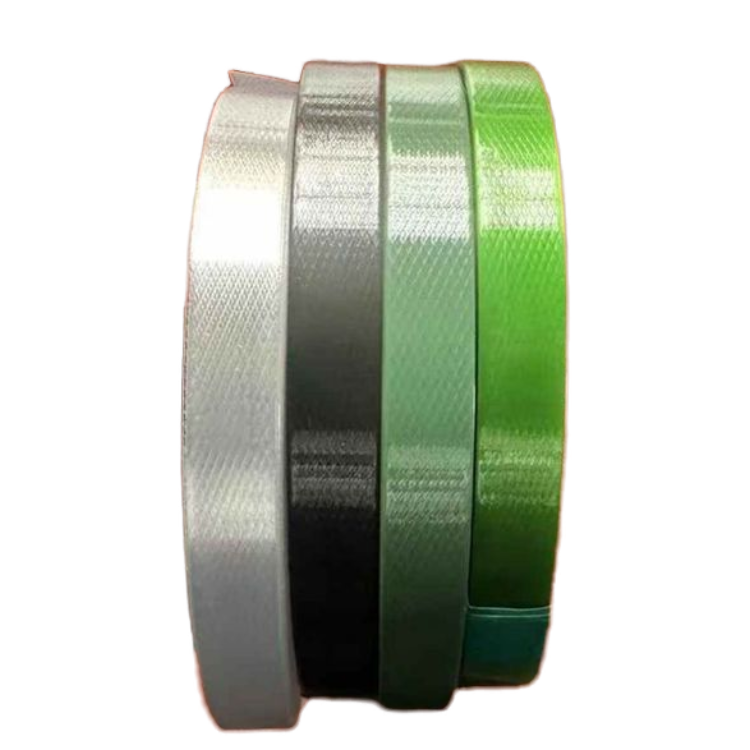
| Misread | Why it fails | Better action |
|---|---|---|
| Highest tensile strength wins | Strength, stiffness, elongation, toughness, creep, and impact are different properties. | Rank the actual failure modes, then match endpoints and conditions. |
| Two MPa values are directly comparable | Grade, geometry, orientation, conditioning, speed, temperature, method, and statistics can shift the result. 1 | Run the eight-check comparability gate. |
| Elongation proves load retention | A short tensile extension value does not describe time-dependent stress relaxation. | Request retained-tension or containment-force data for the intended time and environment. |
| Resin data proves finished strap | Drawing, orientation, dimensions, embossing, welds, and conversion history alter the product. | Test the named converted SKU and direction. |
| Strap break force proves the joint | The seal, weld, buckle, tool, settings, and break mode create a separate result. | Record joint-system efficiency and failure mode. |
| A component pass proves a pallet survives | Load geometry, stiffness, edges, restraint, handling, time, and route interact. | Validate a representative unit load against written criteria. |
| One average proves a difference | An average hides replicate spread, outliers, and uncertainty. | Review individual values and dispersion before changing supply. |
Plastic Materials & Packaging Evaluation Tools
Test Data Comparability Checker
Screen two plastic test reports before treating their values as a valid comparison.
Stress and Force Unit Converter
Convert like-for-like test values without confusing material stress with product break force.
Packaging Evidence Checklist
Build an evidence chain from resin identity to a representative unit load.
Plastic Material and Test Data FAQs
What do plastic material properties tell you?
They describe a defined material or specimen under recorded conditions. They can support screening and engineering calculations inside that scope, but they do not guarantee a converted product, joint, package, or distribution result.
How are thermoplastics different from thermosets?
A thermoplastic can soften and be reshaped with heat through a reversible physical transition, while a thermoset forms a crosslinked network that does not remelt in the same way. Both categories contain many grades, so the category does not replace grade and test data.
What is the difference between tensile strength and modulus?
Tensile strength is a stress endpoint such as maximum stress or stress at break under the method. Elastic modulus describes the slope of the early stress-strain response and is associated with stiffness.
Can ASTM D638, ASTM D882, and ISO 527 results be compared directly?
Not automatically. ASTM D638 is used for specified plastic tensile specimens, ASTM D882 addresses thin plastic sheeting, and ISO 527 contains general and specimen-specific parts; material, geometry, direction, conditioning, speed, temperature, edition, endpoint, and statistics must be aligned.
Why do specimen direction and conditioning matter?
Extrusion and drawing can create anisotropy, so machine- and transverse-direction samples can respond differently. Moisture state is especially important for materials such as nylon, while temperature and prior history can change several polymers.
What does elongation at break mean for packaging?
It reports strain at failure for the tested specimen and method. It does not by itself report recovery, creep, stress relaxation, puncture response, retained tension, or joint performance.
Which PET properties matter for industrial packaging?
Start with tensile behavior, elongation, dimensions, orientation, joint behavior, creep or stress relaxation, retained tension, impact, and temperature/moisture exposure. For PET strapping, tie every result to the finished SKU, direction, test method, and joint system.
Which polypropylene properties should be checked?
Check grade and feedstock, density, tensile and elongation behavior, flex or impact response, creep, stress relaxation, chemical exposure, temperature, and converted-product direction. Research into the properties of recycled polyolefins also shows why processing history and anisotropy need to be recorded.
Does a resin data sheet prove finished strap performance?
No. The finished strap adds conversion history, draw ratio, orientation, width, thickness, surface, welds, sampling direction, and batch controls; the joint and representative load require their own tests.
What belongs in a test-report review request?
Send the polymer and grade, product SKU and dimensions, specimen form and direction, standard and edition, conditioning, temperature, speed, raw or individual values, sample count, dispersion, joint setup, load geometry, environment, and acceptance criteria.