Blog
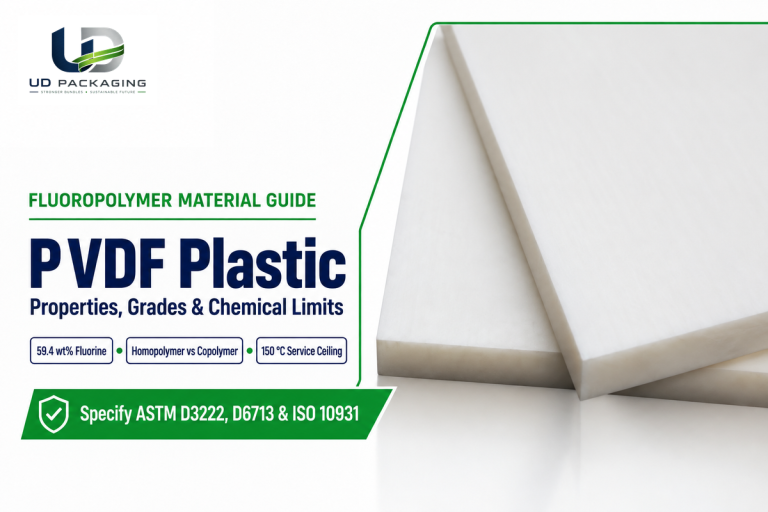
PVDF (Polyvinylidene Fluoride): Structure, Material Properties, Processing, and Application Limits
PVDF is a melt-processable, semi-crystalline thermoplastic fluoropolymer—formally named polyvinylidene fluoride or polyvinylidene difluoride (CAS…
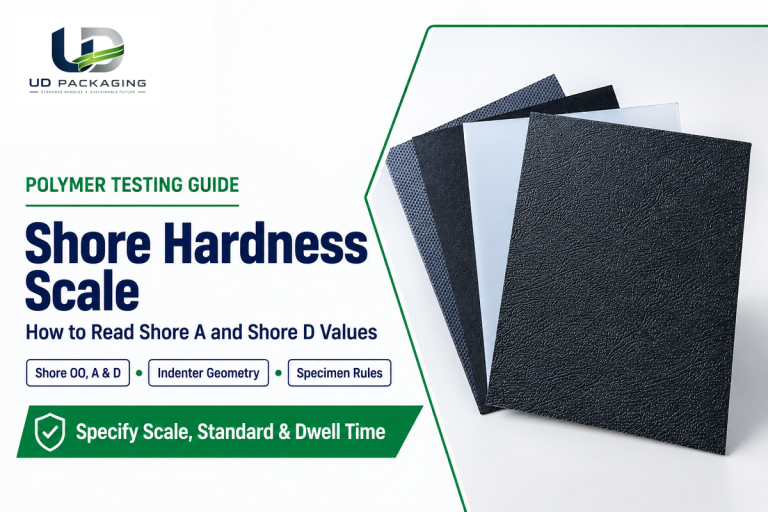
Shore Hardness Scale: How to Read Shore A and Shore D Values
Shore hardness scale tests the penetration of a calibrated spring-loaded indenter into a specimen…

PBT Plastic: Polybutylene Terephthalate Properties and Uses
Updated November 2026 PBT is a polyester for molded parts that require dimensional stability,…
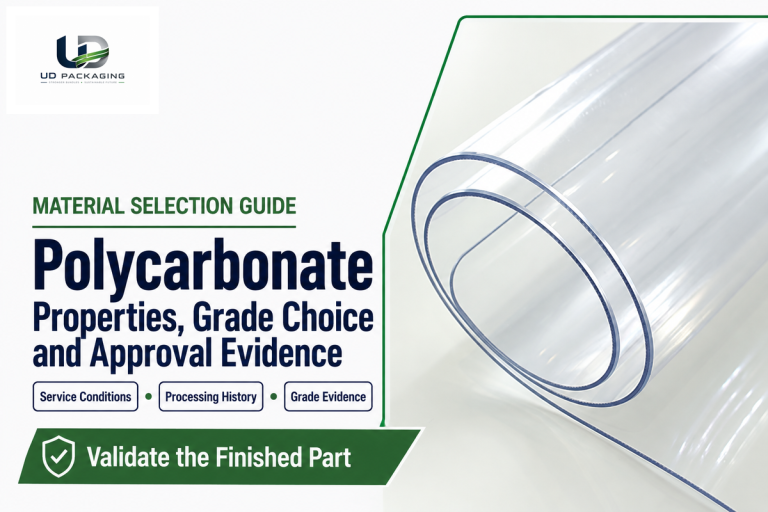
Polycarbonate Plastic: Properties, Grades and Common Failure Modes
Polycarbonate is an amorphous engineering thermoplastic chosen when a part needs a useful balance…
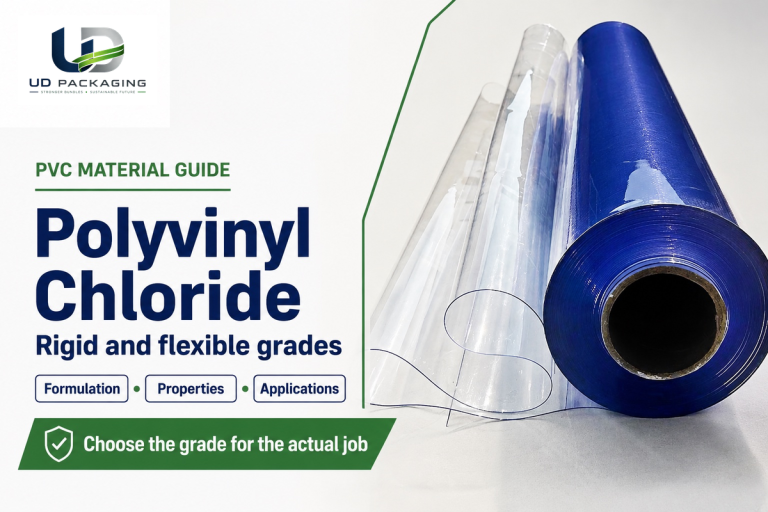
Polyvinyl Chloride (PVC): Properties, Grades and Uses
Polyvinyl chloride is a thermoplastic that becomes rigid pipe, pliable tubing or clear sheet,…
Ductility Explained: Plastic Deformation, Elongation and Brittle Failure
In conventional materials science, ductility is the ability of a material to sustain appreciable…
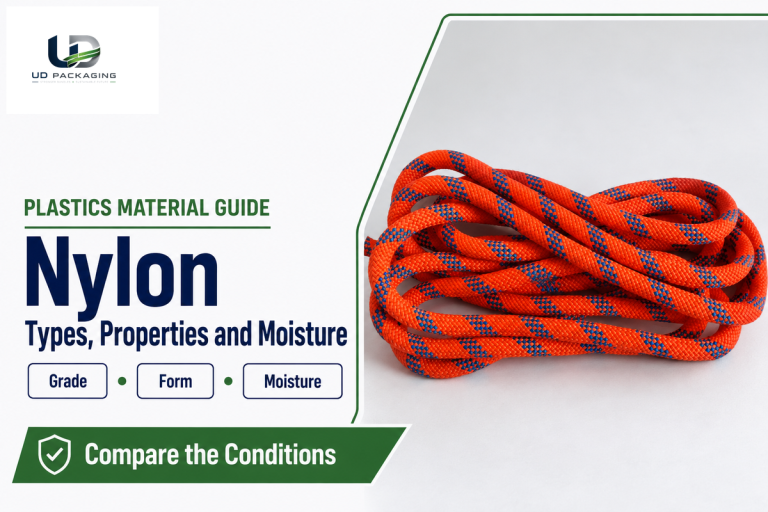
Nylon Plastic: Types, Properties and the Effect of Moisture
Nylon is a family of thermoplastic polyamides used in molded parts, film and synthetic…
Tackiness in Polymers: What Tack Tests Measure and What They Miss
At a glance Tack: brief-contact adhesion. Main comparison: loop, probe, rolling ball and film…
What Is Plastic Made Of? From Feedstocks to Polymers and Additives
Updated October 2026 Plastic is made mainly of polymers: larger molecules built of smaller…