
Blog
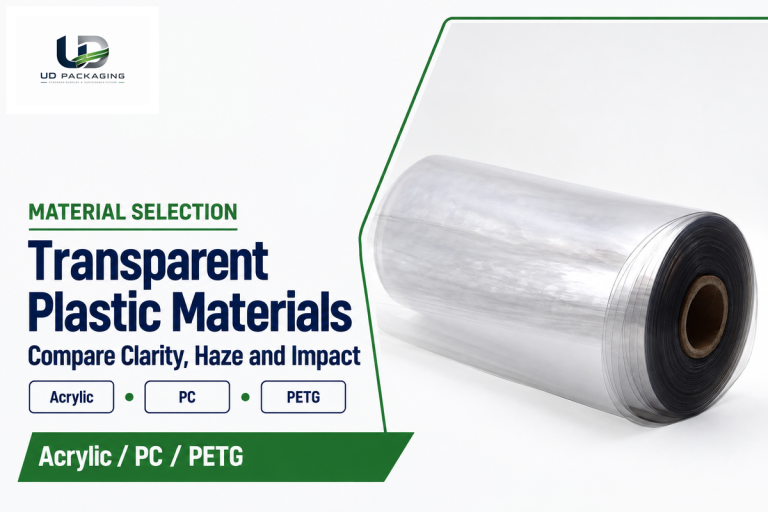
Transparent Plastic Materials: Compare Clarity, Haze and Impact
Transparent plastic materials include acrylic, polycarbonate and PETG. When selecting a polymer for a…
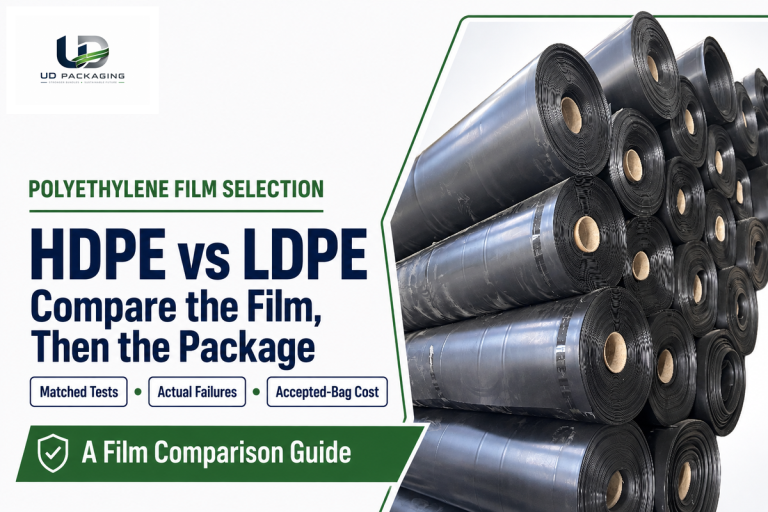
High vs Low Density Polyethylene: Compare HDPE and LDPE Film
Comparing high vs. low density polyethylene starts with chain structure: generally, HDPE provides a…
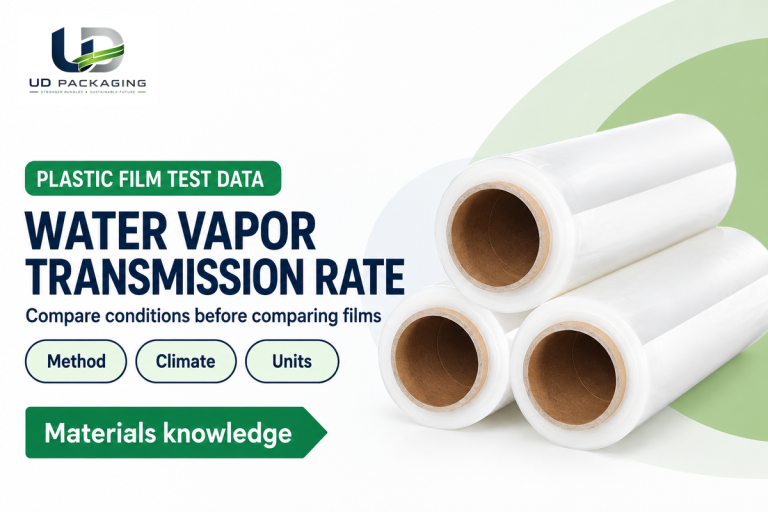
Water Vapor Transmission Rate: Comparing Film Moisture Barriers
Water vapor transmission rate measures water vapor through a material per specified area and…
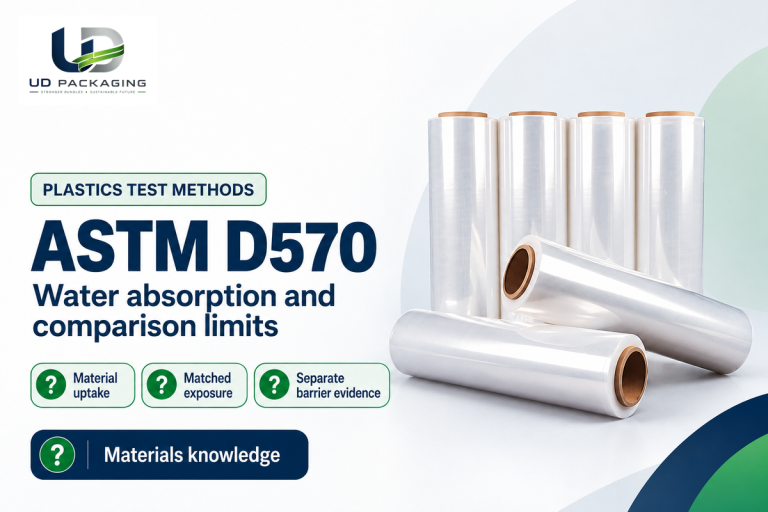
ASTM D570: Water Absorption of Plastics and Comparison Limits
ASTM D570 quantifies water uptake by plastic specimens during immersion. The key distinction for…
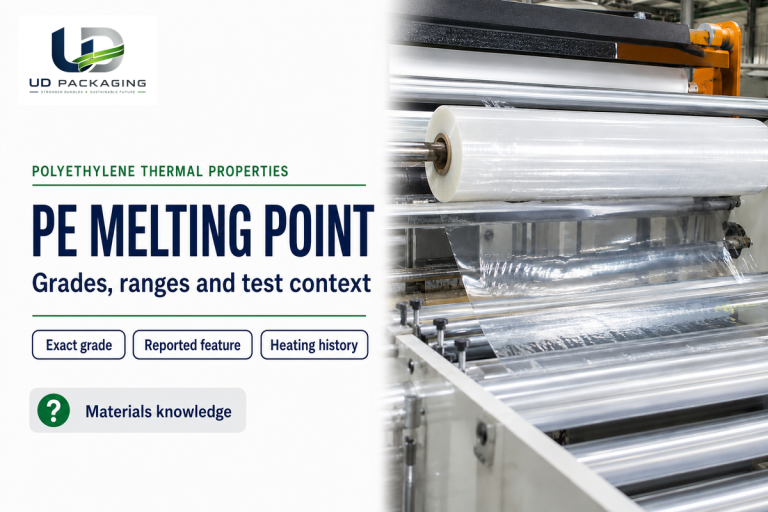
Polyethylene Melting Point: Grades, Ranges and Test Context
The polyethylene melting point describes a measured melting transition, rather than one absolute temperature…
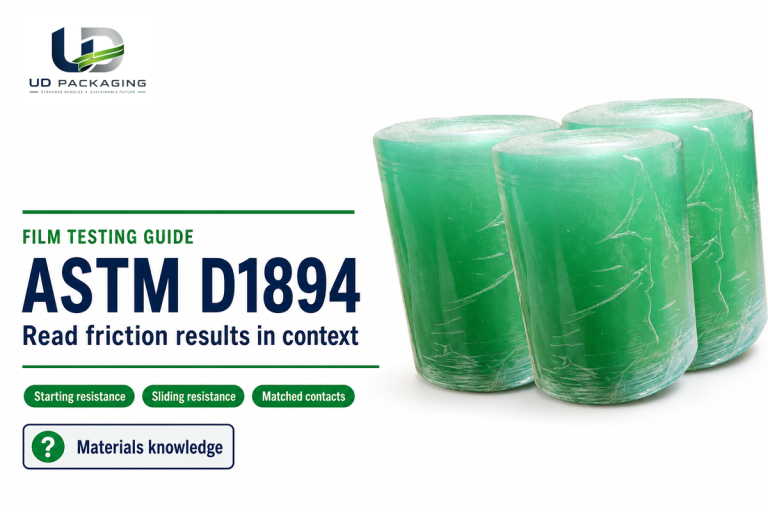
ASTM D1894: Static and Kinetic Friction of Plastic Film
ASTM D1894 measures resistance as plastic film begins to move and continues to slide…
Biaxially Oriented Polypropylene (BOPP): What Biaxial Orientation Changes
Biaxially oriented polypropylene is PP film stretched in two directions. Orientation impacts stiffness, strength…
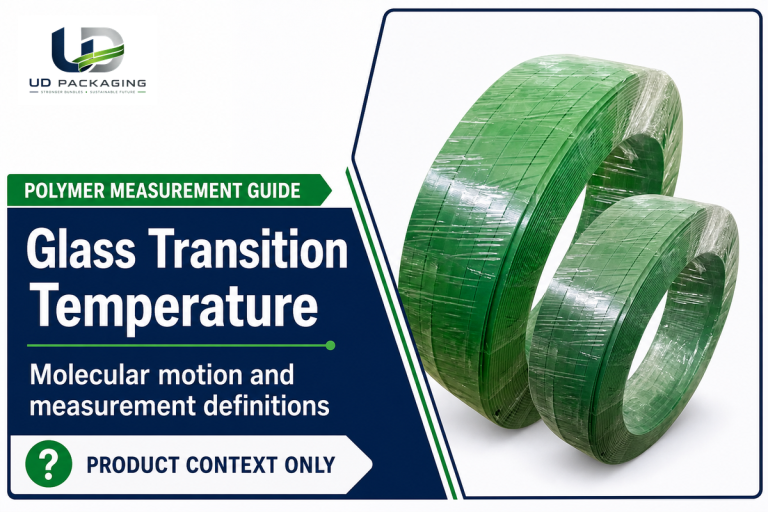
Glass Transition Temperature: Molecular Motion and Measurement Definitions
Glass transition temperature describes when segmental motion in amorphous material becomes apparent on a…
Plastic Creep: How Polymers Change Under Sustained Load
Plastic creep is the gradual change in a polymer’s shape while stress remains applied.…