
XCX
I write about how plastics behave under load and how to interpret film testing results. My articles cover polymer types, material properties, specimen conditioning and tensile test setup. I aim to help readers understand how test conditions affect comparisons and what material properties mean when choosing plastics for industrial packaging.
Plastic Creep: How Polymers Change Under Sustained Load
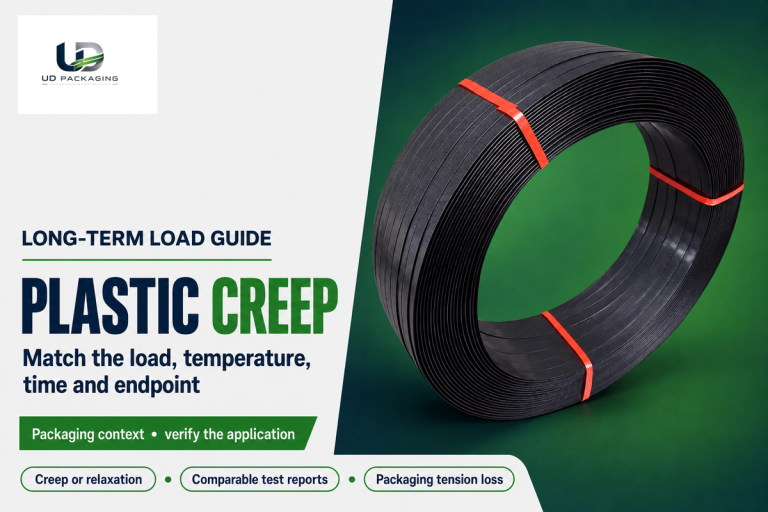
Plastic creep is the gradual change in a polymer’s shape while stress remains applied. Part of that change can recover after unloading. For packaging, an initially tight strap can also lose force through stress relaxation, joint movement or changes in…
Polypropylene Properties: From PP Resin to Packaging
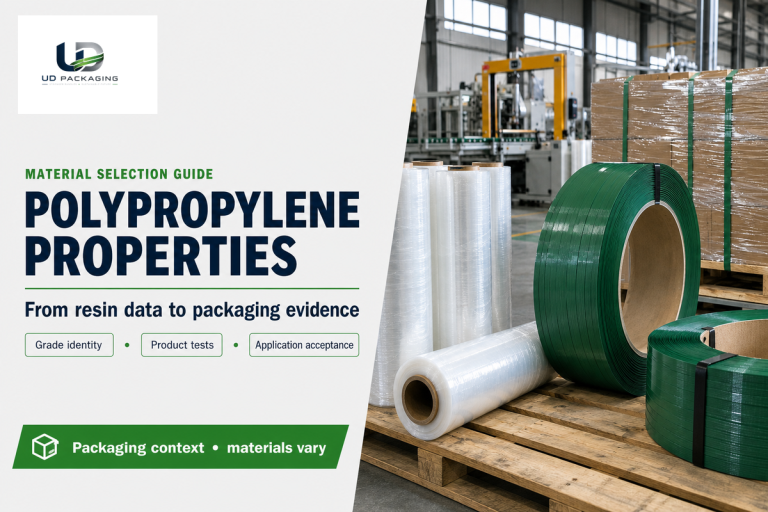
By XCX · Updated October 2026 Properties that combine low density, stiffness and chemical resistance are polypropylene’s most attractive features, but have their tradeoffs, which are grade-dependent impact strength, heat deformation, weathering and surface adhesion. In packaging, pick a resin…
Plastic Material Types for Industrial Packaging Decisions
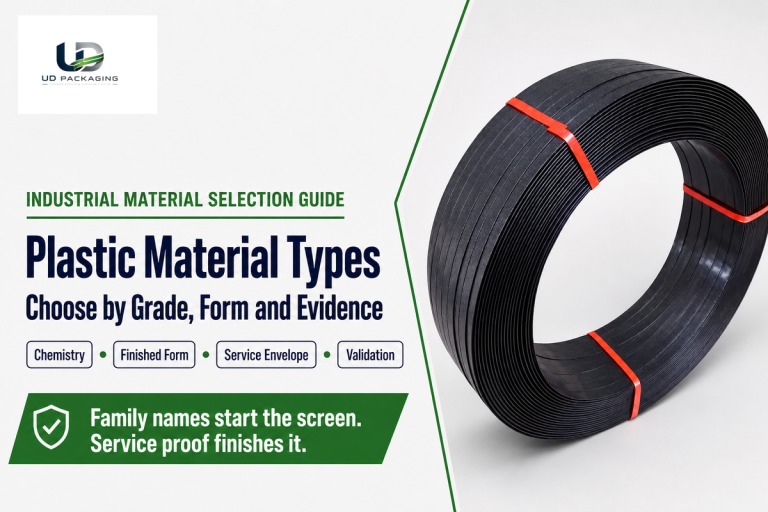
By XCX · Updated October 2026 Types in the Plastic material series are good starting points, but a family name like PET, HDPE, or PP doesn’t specify a finished product. Completing a specification requires consideration for the type or grade,…
Thermoplastic Material: How It Works and How to Choose
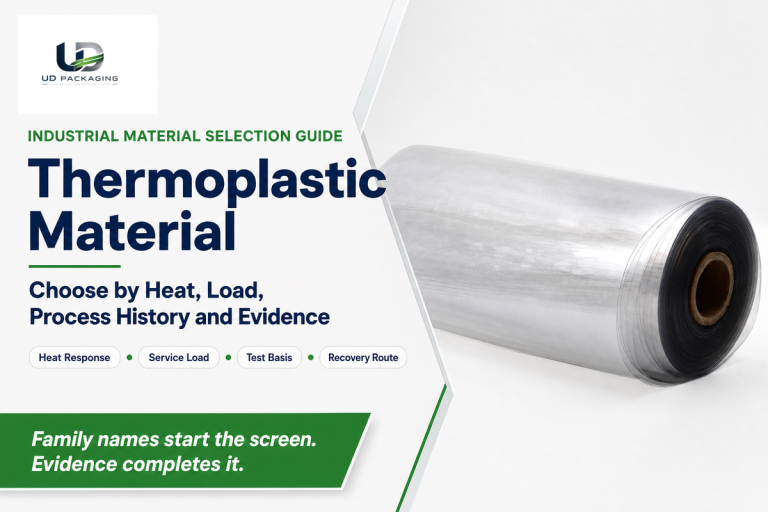
A thermoplastic material is a polymer that becomes more mobile and moldable as it’s heated and then becomes solid as it cools. Many thermoplastics can be reheated and reshaped because the cycle does not create the same permanent cross-linked network…
Conditioning Plastic Film Testing: A Comparison-Ready Record Guide
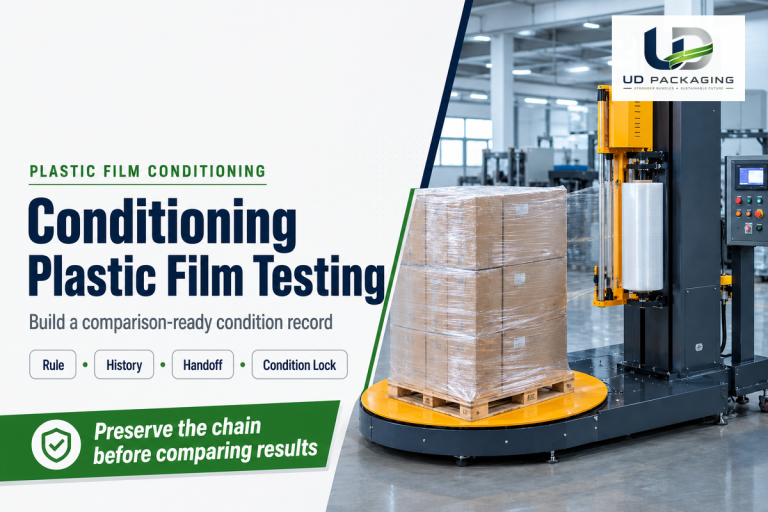
Plastic film test records Conditioning plastic film testing is the controlled preparation and documentation of a film sample before testing. Two reports can indicate that sampling conditioning has been completed, yet the sampling histories, the governing regulations, the environments, the…
Plastic Film Testing: Tensile Setup and Result Interpretation
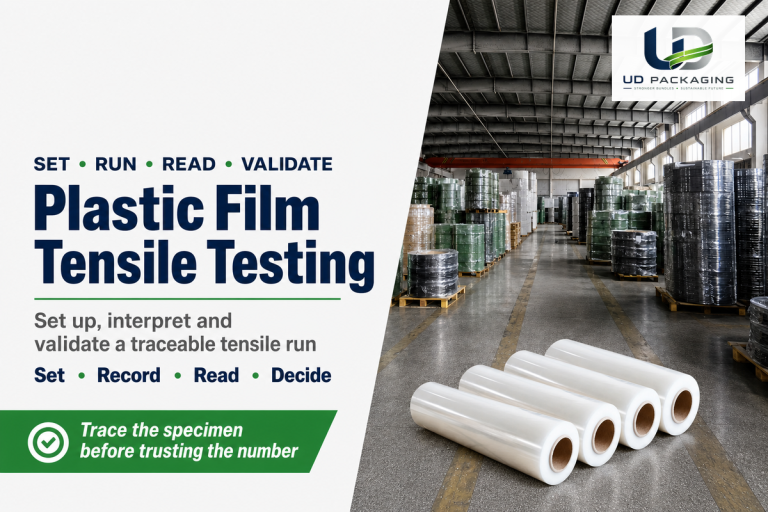
A practical workflow for quality, sourcing and technical teams A credible tensile result is more than the highest number on a report. It’s a traceable chain connecting the test question, film specimen, machine setup, raw curve, failure location and decision…
Plastic Test Methods: Film Specimens and Report Fields
Film testing guide for buyers and quality teams Plastic Test Methods: Film Specimens and Report Fields refers to the method-selection, specimen-control, and reporting chain needed to compare plastic-film data responsibly. A useful report connects the property question, the sampled population,…
Plastic Film Tensile Test Speed: How to Choose and Report It
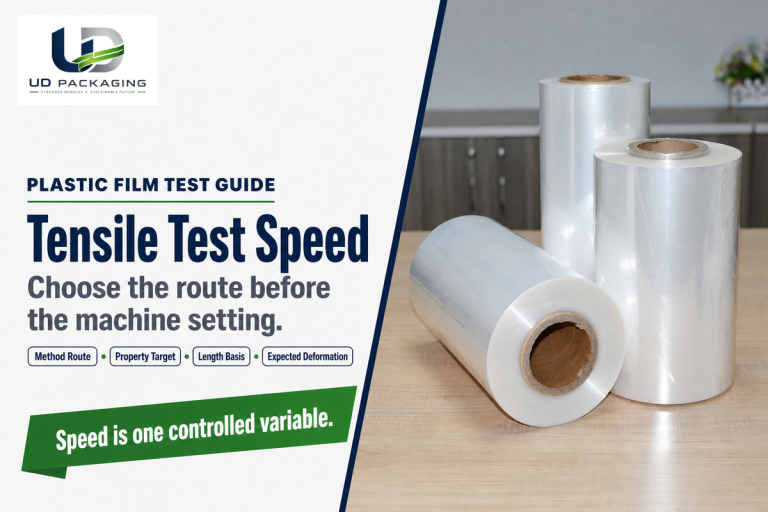
Updated September 2026 Plastic film tensile test speed is not universal; choose it from the current test method and route, the tensile property being measured, the specimen-length basis, and the film’s expected deformation behavior. Short answer Do not copy a…
ASTM D882 vs ISO 527-3: How to Choose and Compare Film Tensile Tests
By XCX · Updated September 2026 ASTM D882 vs ISO 527-3 is a comparison between two methods describing tensile testing of thin plastic film and sheet. Both methods incorporate selection of strain and definition of test procedure and calculations. There…
Machine Direction vs Transverse Direction in Plastic Film: A Practical MD/TD Guide
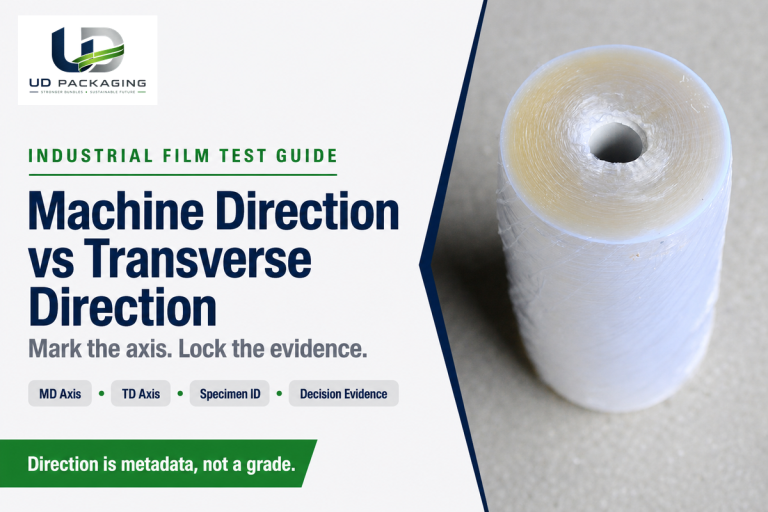
By XCX · Updated September 2026 machine direction vs transverse direction plastic film refers to two perpendicular axes, not two grades. MD follows the web through production and winding; TD, also called cross direction (CD), runs across the web. Film…